Hair Loss and Thinning Hair: Causes and How to Care for Your Hair and Scalp
Published 25 October 2026 · 4 min read
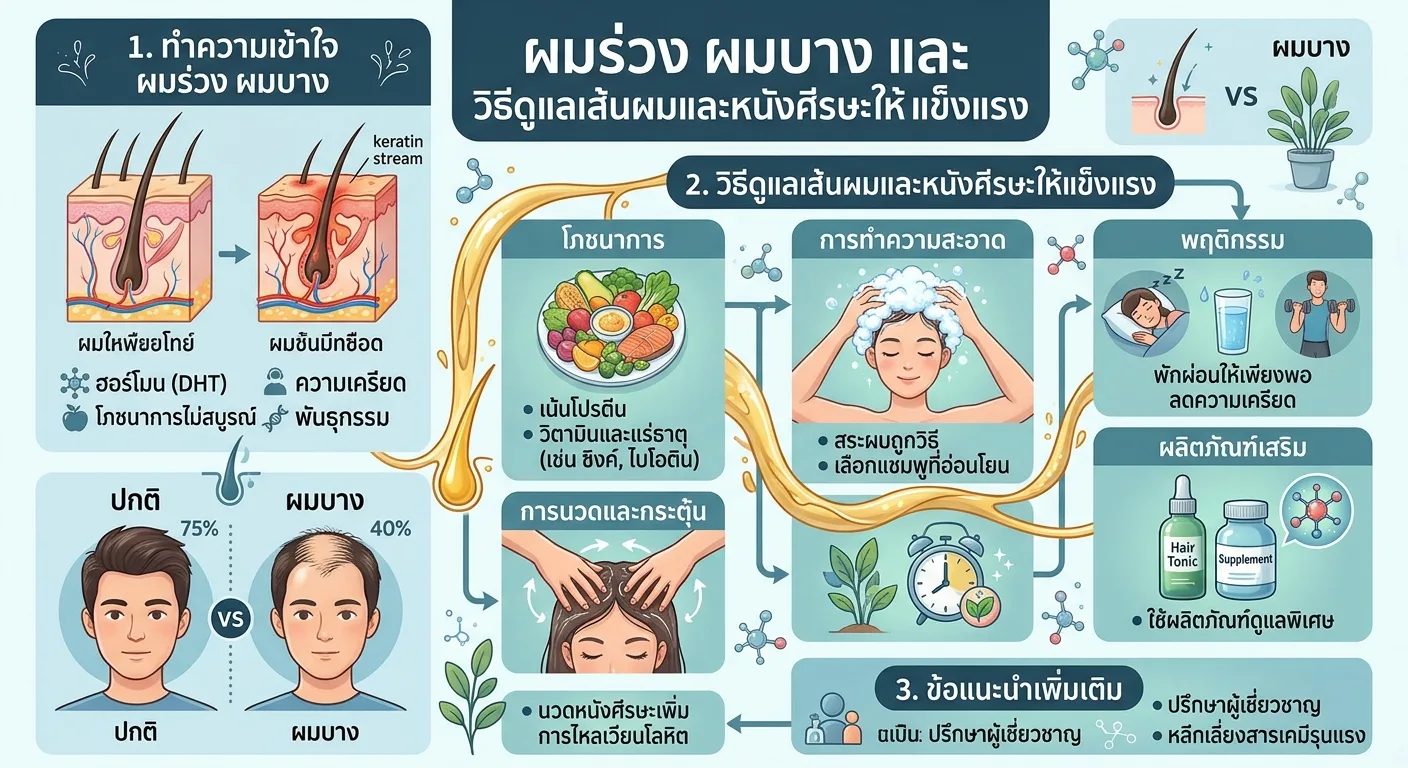
Some hair shedding is normal, but noticeable thinning deserves attention. This article covers the main causes of hair loss, daily hair care habits, and evidence-based treatment options.
How Much Hair Loss Is Abnormal?
Most people normally shed about 50–100 hairs a day as part of the natural hair growth cycle, with new hair growing back in their place.
Signs of excessive hair loss include:
- Noticeably more hair on your pillow, floor or shower drain
- A widening part or more visible scalp
- A receding hairline
- Patchy hair loss
- A thinner ponytail than before
Main Causes of Hair Loss and Thinning
1. Genetics and hormones
Pattern hair loss (androgenetic alopecia) is the most common cause and affects both men and women. It’s linked to the hormone DHT, which gradually shrinks hair follicles.
- Men often notice a receding hairline or thinning at the crown
- Women usually thin at the center of the scalp, with a widening part
2. Hair loss after physical stress
This type (telogen effluvium) usually appears about 2–3 months after events such as:
- High fever or severe infection
- Childbirth
- Major surgery
- Severe emotional stress
- Rapid weight loss or crash dieting
The good news: this type of hair loss usually regrows on its own within 6–12 months once the cause is resolved.
3. Nutritional deficiencies
- Iron, especially in women with heavy periods
- Protein, from inadequate intake or strict dieting
- Vitamin D and zinc
4. Health conditions
- Thyroid disease, both overactive and underactive
- Alopecia areata, where the immune system attacks hair follicles
- Polycystic ovary syndrome (PCOS) in women
- Scalp conditions such as fungal infections or seborrheic dermatitis
5. Certain medications
Examples include chemotherapy, blood thinners, some blood pressure drugs, certain mood medications, and stopping birth control pills. If you suspect a medication is causing hair loss, don’t stop it on your own — talk to your doctor.
6. Improper hair care
- Regular tight hairstyles, causing traction alopecia
- Frequent high heat from blow dryers and straighteners
- Frequent coloring, perming, straightening or bleaching
- Rough combing or towel-drying while hair is wet
Daily Hair Care Habits
Washing and conditioning
- Choose a gentle shampoo suited to your scalp
- Massage your scalp gently with your fingertips, not your nails
- Apply conditioner to the ends to reduce tangles and breakage
- Pat hair dry with a towel instead of rubbing
Combing and styling
- Use a wide-tooth comb on wet hair, detangling from the ends upward
- Avoid tight hairstyles for long periods and switch styles often
- Use fabric or metal-free hair ties
Reduce heat and chemical damage
- Use warm air or let hair air-dry when possible
- Apply heat protectant before straightening or curling
- Space out coloring, perming and straightening by at least 2–3 months
- Protect hair from strong sun by wearing a hat
Care from the Inside
Foods for healthy hair
- Protein such as eggs, fish, chicken, tofu and beans, since hair is made of protein
- Iron from red meat, liver and dark leafy greens
- Omega-3 from oily fish like salmon
- Colorful fruits and vegetables for vitamins and antioxidants
Healthy habits
- Get enough sleep, 7–9 hours a night
- Manage stress through exercise or meditation
- Quit smoking, which is linked to hair loss and premature graying
- Avoid extreme dieting
About Hair Supplements
- Biotin only helps if you’re truly deficient, which is rare. High-dose biotin can also interfere with some blood tests, such as thyroid and heart tests, so tell your doctor before any blood work.
- Iron shouldn’t be taken without a blood test, as too much iron can be harmful.
- Supplements clearly help only when your body is actually lacking that nutrient.
Evidence-Based Treatment Options
If you have pattern hair loss or hair loss that doesn’t improve, see a dermatologist, who may consider:
- Topical minoxidil, for both men and women, which requires several months of consistent use
- Oral medication for pattern hair loss in men, used under medical supervision
- Low-level laser therapy and platelet-rich plasma (PRP) injections as supporting options
- Hair transplant for permanent thinning
When to See a Doctor
- Round, patchy bald spots
- Sudden or unusually rapid hair loss
- Itchy, red, painful or scaly scalp, or scarring
- Hair loss with other symptoms such as fatigue, weight changes or irregular periods
- No improvement after a few months of self-care
The earlier you see a doctor, the better the chance of improvement, especially for pattern hair loss, which responds better when treated early.
Conclusion
Hair loss and thinning have many causes, from genetics, hormones, stress and nutritional deficiencies to health conditions and improper hair care. Gentle hair care, avoiding heat and chemicals, eating a balanced diet, and looking after your overall health are the foundations of prevention. If hair loss is unusually heavy, see a doctor to find the real cause and get the right treatment.
This article is for general information only and is not medical advice. Please consult a doctor if you have any symptoms.