Fatty Liver Disease: Main Causes, Warning Signs and How to Restore Liver Health
Published 25 October 2026 · 4 min read
Fatty liver is extremely common and often has no symptoms until significant damage has occurred. Here's a clear summary of its main causes, who's at risk, and evidence-based ways to manage it.
What Is Fatty Liver Disease?
Fatty liver is a condition in which excess fat builds up in liver cells. Medically, it falls into two main groups:
- Metabolic fatty liver disease, now called MASLD (Metabolic Dysfunction-Associated Steatotic Liver Disease), previously known as NAFLD. It's linked to excess weight, diabetes and high blood lipids, and is the most common type.
- Alcohol-related fatty liver, caused by heavy, ongoing alcohol use.
Why It Matters
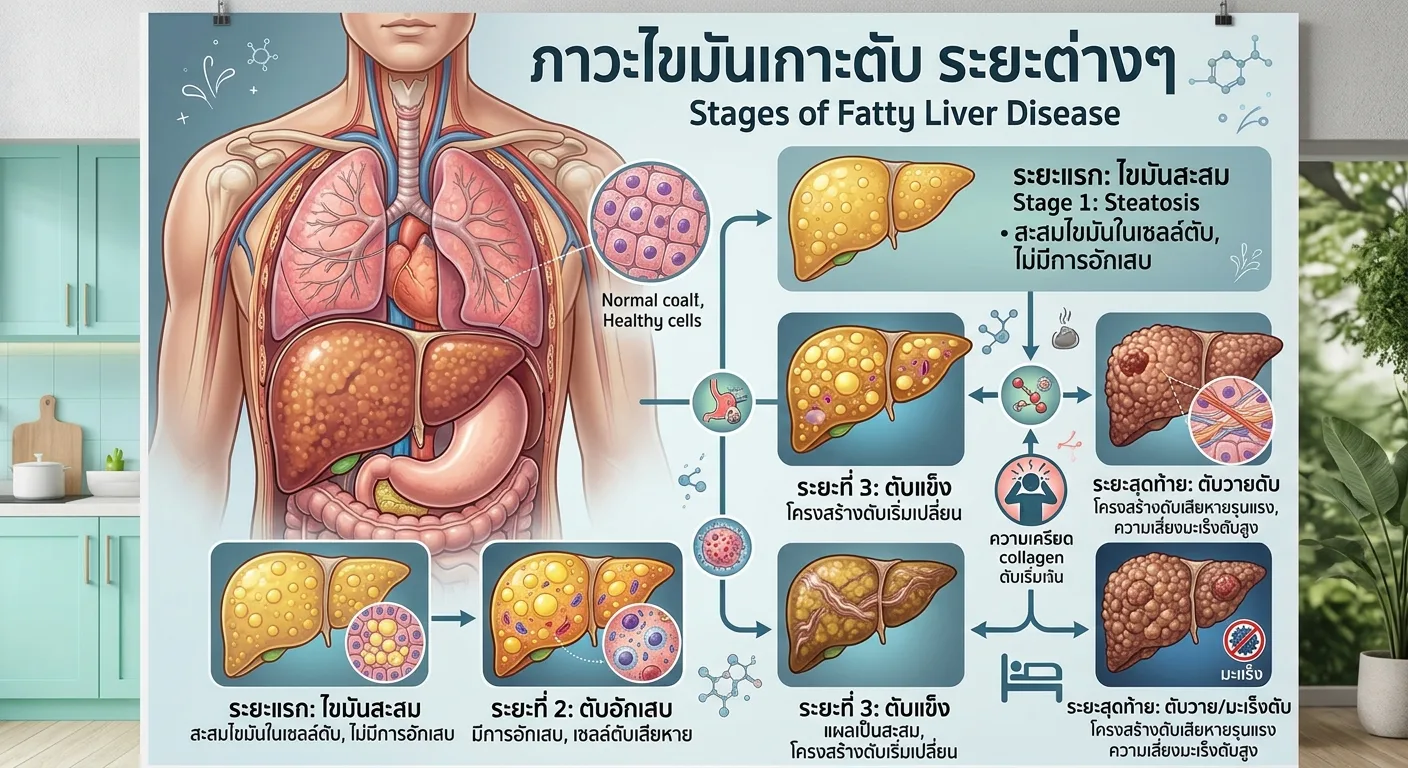
Early fatty liver usually isn't serious, but if left unchecked it can progress through these stages:
- Simple fat buildup without inflammation
- Fatty liver inflammation (MASH), where liver cells start to be damaged
- Liver fibrosis, where scar tissue forms
- Cirrhosis, permanent liver damage
- Liver cancer, with higher risk in people with cirrhosis
The good news: in its early stages, fatty liver can improve with serious lifestyle changes.
Main Causes and Risk Factors
1. Excess weight and belly fat
This is the most important risk factor, especially abdominal fat, which is directly linked to fat accumulation in the liver. However, people who aren't overweight can also develop fatty liver.
2. Insulin resistance and type 2 diabetes
When the body doesn't respond well to insulin, the liver produces and stores more fat. People with diabetes are at high risk.
3. Abnormal blood lipids
High triglycerides or low HDL ("good" cholesterol) commonly occur alongside fatty liver.
4. Diets high in sugar and refined carbs
- Sweetened drinks, soda, milk tea, packaged fruit juice
- Sweets and baked goods
- Large amounts of white rice and white bread
Excess sugar, especially fructose from sweet drinks, can be converted directly into fat by the liver.
5. Physical inactivity
Sitting for long periods and moving little lowers energy use and increases insulin resistance.
6. Alcohol
Alcohol is directly toxic to liver cells and worsens fatty liver from other causes.
7. Other factors
- Certain medications, such as steroids and some drugs used for cancer or heart conditions
- Hepatitis C
- Losing weight too quickly or severe fasting
- Genetics — some people are more prone than others
- Other conditions, such as sleep apnea, underactive thyroid, and polycystic ovary syndrome (PCOS)
Symptoms and Warning Signs
Most people have no symptoms and are diagnosed incidentally during a health check. Some may experience:
- Fatigue
- Discomfort or fullness under the right ribs
Signs of advanced liver damage include yellowing skin or eyes, a swollen abdomen, swollen legs, vomiting blood, or confusion. These require immediate medical attention.
Diagnosis
- Blood tests to check liver enzymes (normal results don't rule out fatty liver)
- Abdominal ultrasound, the most common method to detect liver fat
- FibroScan to assess liver fat and scarring
- Liver biopsy in some cases when doctors need more information
How to Manage Fatty Liver
1. Lose weight gradually
For people who are overweight, losing about 5% of body weight can reduce liver fat, and losing 7–10% has been shown to reduce inflammation and may improve fibrosis.
Lose weight gradually, as rapid weight loss can worsen the liver.
2. Improve your diet
- Cut sugar, especially sweetened drinks — a clear and effective first step
- Reduce refined carbs and switch to brown rice and whole grains
- Eat more vegetables and lower-sugar fruits
- Choose healthy fats like olive oil, nuts and fish instead of fried foods and saturated fat
- Choose lean protein such as fish, skinless chicken, tofu and beans
The Mediterranean diet is the eating pattern with the most research support for fatty liver.
3. Exercise regularly
- Aim for at least 150 minutes per week of aerobic exercise such as brisk walking, cycling or swimming
- Add strength training
- Exercise reduces liver fat even when weight loss is modest
4. Avoid or limit alcohol
People with fatty liver should avoid or minimize alcohol, and those with liver fibrosis should stop completely.
5. Control related conditions
Keep blood sugar, blood pressure and blood lipids within target ranges as advised by your doctor. Statin cholesterol medications are generally safe for people with fatty liver when prescribed by a doctor.
6. Be careful with supplements and herbs
Products marketed as "liver detox" or "liver tonic" lack sufficient evidence for treating fatty liver, and some can actually harm the liver. Always consult a doctor first.
7. Follow up with your doctor
Specific medications are now available for certain patients with fatty liver inflammation and fibrosis, which your doctor will consider. People with fatty liver should attend follow-up checks to assess for fibrosis.
Who Should Get Screened?
- People who are overweight or have belly fat
- People with type 2 diabetes
- People with high cholesterol or high blood pressure
- Regular alcohol drinkers
- Anyone with elevated liver enzymes
Conclusion
Fatty liver disease is common and mainly caused by excess weight, insulin resistance, high-sugar diets, physical inactivity and alcohol. It usually has no early symptoms but can progress to cirrhosis if ignored. The most effective care is gradual weight loss, a healthier diet, regular exercise and avoiding alcohol, combined with regular medical follow-up.
This article is for general information only and is not medical advice. Please consult a doctor if you have symptoms or risk factors.